
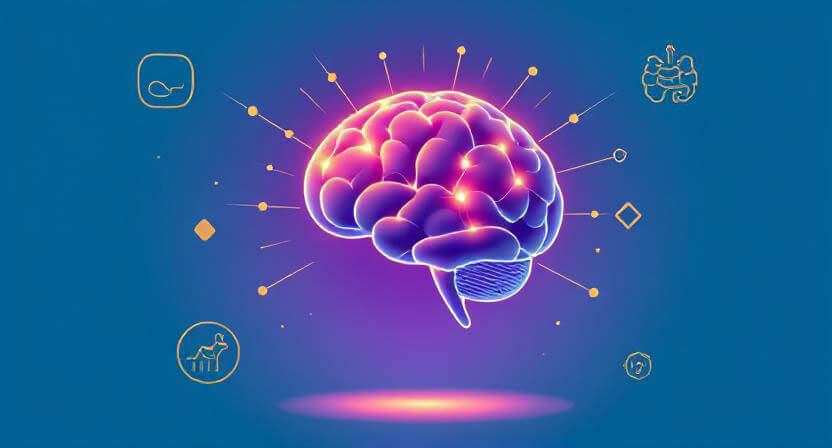
Let’s get real about why your brain is the most high-maintenance organ in your body (and why that’s actually a good thing). This isn’t just another wellness trend – it’s the science behind why your metabolic health might be the missing piece in your mental health puzzle.
The High-Maintenance Brain
Your brain is literally using 20% of your body’s energy while only taking up 2% of your body weight. Talk about expensive taste! But before you start rolling your eyes at your brain’s demands, let’s understand why this matters for your mental health.
The Blood Sugar-Mood Connection
Here’s a plot twist that might change everything: Those “random” mood swings and anxiety spikes? They might not be so random after all. Your brain runs on glucose like your phone runs on its battery – and when those levels drop or spike, chaos ensues.
Consider these signs your brain is struggling with blood sugar:
• Unexplained anxiety that seems to come out of nowhere
• Irritability between meals that feels uncontrollable
• Brain fog that makes you feel like you’re thinking through mud
• Mood swings that don’t match your circumstances
The Inflammation Factor
But wait – there’s more to this story. Enter inflammation, the ultimate drama queen of health. While some inflammation is necessary, chronic inflammation is like that toxic friend who’s always stirring up trouble. Research shows that 30-50% of people with treatment-resistant depression have high inflammation markers.
What does this mean for you? Your mood issues might not just be “in your head” – they could be in your inflammatory markers. This is why traditional treatments sometimes fall short; they’re addressing the symptoms without tackling the underlying metabolic chaos.
Cholesterol: The Misunderstood Hero
Here’s another revelation that might surprise you: Your brain needs cholesterol. In fact, it contains about 25% of your body’s total cholesterol. This isn’t just interesting trivia – it’s crucial for understanding why extremely low cholesterol levels can sometimes correlate with mood disorders.
Your brain uses cholesterol to:
• Build and maintain cell membranes
• Produce essential hormones
• Support neurotransmitter function
• Maintain cognitive health
The Gut-Brain Connection
Now, let’s talk about the most underrated conversation happening in your body: the one between your gut and your brain. This isn’t just about “gut feelings” – it’s about the fact that 95% of your serotonin (yes, your happiness hormone) is produced in your gut.
Think about that for a moment. Your mood might have less to do with what’s happening in your head and more to do with what’s happening in your digestive system. This is why digestive issues and mood disorders often go hand in hand.
Taking Action: Your Metabolic Mental Health Plan
Ready to give your brain what it really needs? Here’s how to start:
1. Stabilize Blood Sugar
– Eat regular meals with protein
– Include healthy fats for sustained energy
– Don’t skip meals (your brain remembers)
2. Manage Inflammation
– Prioritize quality sleep
– Move your body regularly
– Choose anti-inflammatory foods
3. Monitor Your Markers
Track these key indicators:
• Fasting blood sugar
• CRP (inflammation marker)
• Cholesterol panel
• Gut health markers
The Future of Mental Health
Understanding the metabolic-mental health connection isn’t just about adding another layer to your wellness routine – it’s about revolutionizing how we approach mental health treatment. When we address the body’s fundamental needs, we create a foundation for better mental health.
Remember: Your brain isn’t being dramatic with its high demands – it’s being brilliant. Every mood swing, energy dip, and mental fog is a communication attempt from your body. The question is: are you ready to listen and respond?
Start treating your metabolic health like the mental health tool it is. Because when your body’s systems are in harmony, your brain can finally do what it does best: help you think clearly, feel deeply, and live fully. After all, mental health isn’t just about what’s happening in your head – it’s about what’s happening in every cell
Let’s connect other ways too! Follow me here on Instargram @doctorrileysmith and at youtube @doctorrileysmith
Related Post:
Spring Detox Foundations: Why Movement and Sunlight Come First
Movement as Medicine: Gentle Transitions from Winter to Spring Activity
The Power of Light: Resetting Your Circadian Rhythm for Spring