
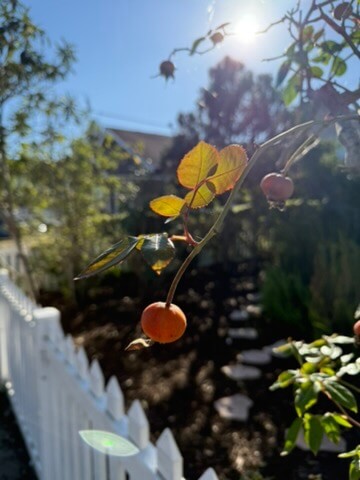
As the leaves transform into brilliant displays of red and gold, nature is offering us more than just beautiful scenery. Those vibrant colors actually signal the presence of powerful compounds called phytonutrients – and for those of us in helping professions, these natural substances could be the allies we never knew we needed for maintaining our energy and effectiveness through the demanding fall season. Keep reading for phytonutrient nutrition tips for health professionals.
Nature’s Perfect Timing
It’s no coincidence that some of the most phytonutrient-rich foods arrive just as cold and flu season begins and our work demands intensify. Those gorgeous orange pumpkins and sweet potatoes aren’t just decorative – they’re packed with beta-carotene, a powerful carotenoid that supports immune function. When you’re sitting with back-to-back clients or managing complex cases, these compounds help maintain the resilience you need to stay consistently present and healthy.
The Science Behind Fall’s Colors
Each color in your fall produce basket tells a story about its phytonutrient content. Those deep purple beets? They’re rich in anthocyanins, compounds that support blood flow and oxygen utilization – crucial for maintaining mental clarity during challenging therapeutic conversations. The bright orange carrots and golden winter squash contain lutein and zeaxanthin, carotenoids that protect your vision when you’re reviewing case notes or documentation late in the day.
The red skin of your fall apples contains quercetin, a flavonoid that helps regulate stress response – essential when you’re holding space for clients’ difficult emotions. And those humble Brussels sprouts? They’re packed with glucosinolates, compounds that support your body’s natural detoxification processes, helping you maintain energy through long clinical days.
Supporting Professional Resilience
Have you noticed how your energy levels fluctuate throughout your workday? Fall’s root vegetables provide complex carbohydrates for steady energy, but they’re also rich in saponins and phenolic compounds that support sustained mental performance. These phytonutrients work as antioxidants, protecting your cells from the effects of stress – something we all encounter in our helping roles.
For those of us who rely heavily on verbal communication, fall offers specific phytonutrient support for vocal health. The monoterpenes in crisp fall apples help maintain throat tissue health, while the ellagic acid in pomegranates provides antioxidant support for cellular integrity. These compounds work together to support your vocal endurance during long days of speaking with clients.
Grounding Through Plant Power
As helping professionals, we often carry the emotional weight of our clients’ struggles. Fall’s abundance of root vegetables delivers not just physical nourishment but also grounding phytonutrients. The organosulfur compounds in onions and garlic, for instance, support cardiovascular health – essential when managing the physical effects of emotional labor. The phytic acid in sweet potatoes acts as an antioxidant, helping to maintain cellular balance during stressful periods.
Practical Integration for Busy Days
You might be wondering how to harness these powerful compounds within your packed schedule. The beauty of fall phytonutrients lies in their accessibility. Nutrition tips for health professionals like baked sweet potato provides not just beta-carotene but also anthocyanins if you choose purple varieties. Apple slices with almond butter deliver both quercetin and protein for sustained energy. Roasted root vegetables can be batch-cooked on weekends, their nutrients actually becoming more bioavailable through proper cooking.
Supporting Client Wellness Through Understanding
Your knowledge of phytonutrients becomes another tool in your therapeutic toolkit. When working with clients dealing with anxiety, you might gently explore how incorporating foods rich in flavonoids could complement their treatment plan. For clients struggling with seasonal mood changes, understanding the stress-modulating properties of fall produce can be empowering.
Consider how different phytonutrients support various aspects of wellness. The isothiocyanates in fall cruciferous vegetables help support the body’s natural detoxification processes. The tannins in fresh apple cider can help maintain healthy digestion. This knowledge allows you to have more informed conversations about holistic wellness with your clients.
Creating a Nourishing Professional Environment
Your workplace can reflect this seasonal wisdom too. A pot of cinnamon-spiced tea with fresh apple slices in the waiting room offers both warmth and beneficial flavonoids. Simple touches like this transform your professional space into a truly nurturing environment while delivering natural compounds that support wellbeing.
The Ripple Effect of Informed Self-Care
Remember, when you nourish yourself with phytonutrient-rich seasonal foods and nutrition tips for health professionals you’re not just supporting your own wellbeing – you’re modeling evidence-based self-care for your clients. These powerful plant compounds support your energy, clarity, and resilience, creating a foundation for more effective therapeutic relationships.
As autumn progresses, notice how incorporating these beneficial compounds affects your stamina and effectiveness. Pay attention to how different phytonutrient combinations impact your energy levels and mental clarity. The deep orange of a roasted squash isn’t just appealing to the eye – it’s nature’s way of signaling the presence of compounds that can support your important work.
What’s your favorite way to incorporate fall’s phytonutrient-rich foods into your workday? How has understanding these natural compounds enhanced your professional practice? Share your experiences in the comments below – let’s learn from each other as we embrace the healing power of fall’s natural bounty.