
Remember when play wasn’t something you had to schedule? When it wasn’t a “self-care activity” but just… life? Somewhere along the way, most of us learned that becoming an adult meant leaving play behind. We replaced spontaneous joy with productivity, creativity with responsibility, and playfulness with professionalism but adults need play for nervous system health.
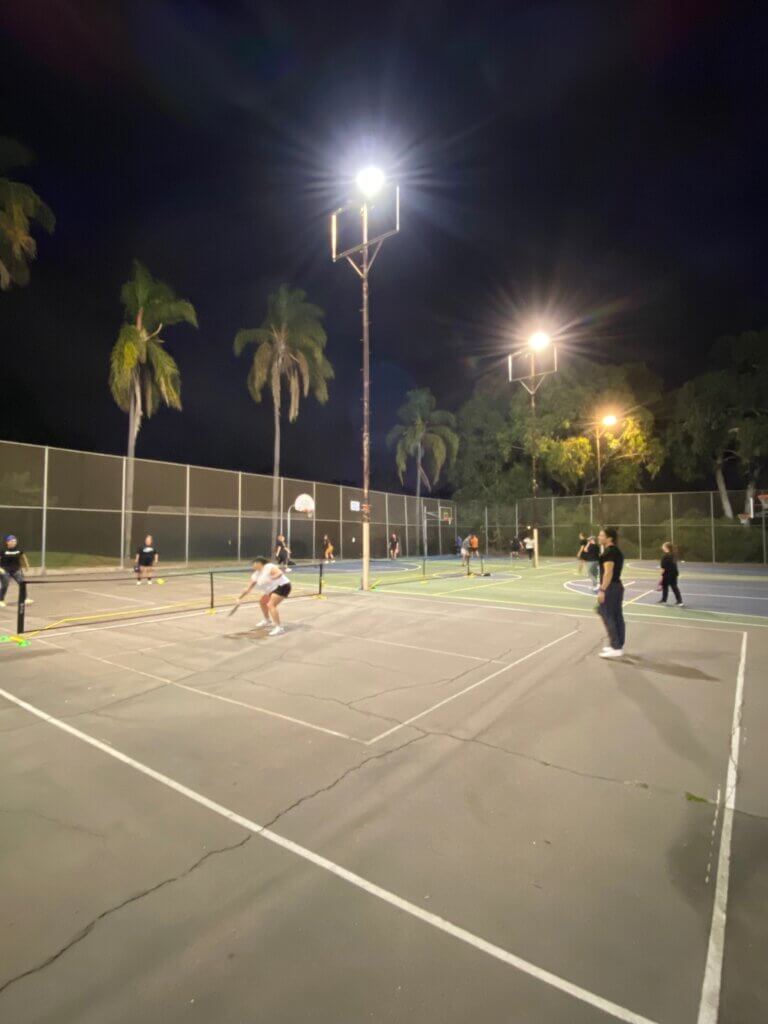
Monday night pickleball!
But what if our abandonment of play is actually hindering our wellbeing? What if play isn’t just fun – but essential medicine for our nervous systems?
The Missing Piece in Adult Wellness
In our culture’s obsession with optimization and productivity, we’ve forgotten something fundamental: humans are designed to play. It’s not just for children – it’s a biological necessity that supports our nervous system health, emotional regulation, and overall wellbeing.
Yet for many of us, especially those who grew up in environments where play wasn’t valued or encouraged, the very idea of “adult play” can feel uncomfortable, frivolous, or even anxiety-producing. We’ve internalized messages that play is unproductive, childish, or something we need to earn through productivity.
The Science Behind Play and Regulation
Here’s what research tells us about play and our nervous systems:
When we engage in genuine play – activity done purely for its own enjoyment – our bodies release a cascade of beneficial neurochemicals. Dopamine, serotonin, and endorphins flood our systems, naturally regulating our stress response and promoting feelings of safety and connection.
Play activates our social engagement system, a key part of our autonomic nervous system that helps us feel safe, connected, and regulated. This activation can help shift us out of stress responses (fight/flight) or shutdown states (freeze) into a more regulated state where we can think clearly, connect authentically, and feel fully alive.
But perhaps most importantly, play helps create new neural patterns of safety and joy. Each time we allow ourselves to play freely, we’re literally rewiring our nervous systems to be more resilient, more flexible, and more capable of experiencing joy.
Breaking Down Barriers to Play
One of the biggest obstacles to adult play is our own internal resistance. Common thoughts that might come up:
– “I don’t have time for play”
– “I should be doing something productive”
– “Play is selfish when there’s so much to do”
– “I don’t know how to play anymore”
– “I feel silly or embarrassed when I try to play”
These thoughts aren’t personal failings – they’re the natural result of a culture that values productivity over presence and achievement over enjoyment. But recognizing them is the first step to moving beyond them.
Rediscovering Your Play Nature
The beautiful thing about play is that it’s highly individual. What feels like play to you might feel like work to someone else, and vice versa.
The key is finding activities that:
– Bring you genuine enjoyment
– Feel freeing rather than forced
– Engage you fully in the present moment
– Have no purpose other than the experience itself
This might look like:
– Dancing in your kitchen
– Creating art with no goal in mind
– Exploring nature with curiosity
– Playing with pets
– Engaging in spontaneous movement
– Making up stories
– Building or creating things just for fun
The Nervous System Benefits
When we engage in regular play, we experience:
– Reduced stress levels
– Improved emotional regulation
– Enhanced creativity
– Better problem-solving abilities
– Increased feelings of connection
– Greater resilience to life’s challenges
– More access to joy and spontaneity
Making Play a Priority
The key to incorporating more play into your life isn’t about adding another item to your to-do list. Instead, it’s about shifting your perspective to recognize play opportunities in your daily life and giving yourself permission to engage with them.
Start small:
1. Notice moments when you feel a spark of playful energy
2. Give yourself permission to follow that spark for even just a minute
3. Observe how your body feels during and after moments of play
4. Celebrate these moments rather than dismissing them
Creating a Play-Friendly Life
To make play more accessible in your daily life:
Honor Your Play Style
There’s no “right” way to play. What matters is what brings YOU joy and lightness.
Release Productivity Pressure
Play doesn’t need to produce anything. Its value lies in the experience itself.
Start Where You Are
Even five minutes of genuine play can have regulatory benefits for your nervous system.
Notice the Effects
Pay attention to how different types of play affect your energy, mood, and stress levels.
Build Play Communities
Connect with others who value play and support each other in maintaining playful practices.
A Personal Note
As someone who grew up believing that worth came from productivity and achievement, learning to play again has been a journey. It’s required unlearning deeply ingrained messages about what it means to be a “successful” adult. But the benefits to my nervous system health, creativity, and overall wellbeing have been profound.
Each time I choose play over productivity, joy over “should,” I’m not just having fun – I’m actively supporting my nervous system health and building my capacity for resilience and joy.
Your Invitation to Play
Consider this your permission slip to prioritize play. Not as a reward for productivity, not as another self-care task to check off your list, but as essential medicine for your nervous system and your soul.
Start today. Notice where play is already trying to emerge in your life. Follow those impulses, even for just a moment. Your nervous system will thank you.
Remember: Play isn’t frivolous – it’s fundamental. It’s not a luxury – it’s a necessity. And it’s never too late to reclaim your right to play.
Would you like me to adjust any part of this post or expand on certain sections?