
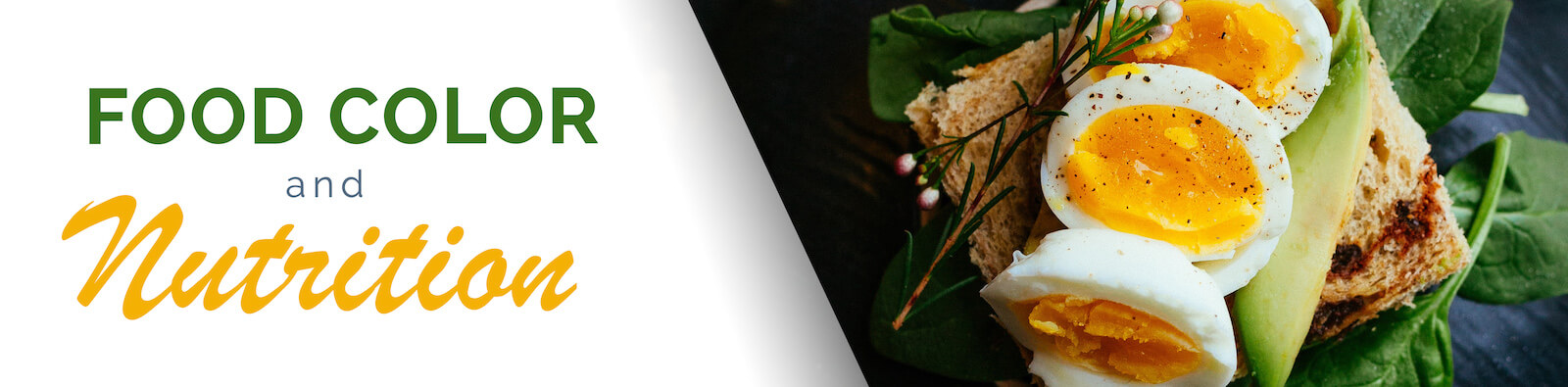
In Chinese medical theory, food is considered medicine. Food has qualities and functions biochemically and energetically that target specific organs. Not only that, but the action a particular food takes to benefit that organ in terms of taste, color and temperature is what is included in Five Element theory. Food has a relationship to both the natural elements as well as the organs in the body and balances the elements of fire, earth, metal, water and wood to healthy, generating cycles.
In Traditional Chinese Medicine (TCM) everything is thought of in terms of yin and yang theory. Yin is often dark, cooling, moist, still, and internal where are Yang is bright, hot, moving, dry, and outward; Our bodies are constantly trying to achieve a balance between these two forces. There are even some foods that are considered a force of yin and some food is considered more yang. Depending on one’s constitution, some foods might exacerbate a hotter constitution while others would promote a cooling effect. Each person realistically needs a unique approach to food intake, as not all foods deemed “healthy” are good for everyone across the board. It is not recommended to self-diagnose, so see your Chinese medical provider to get a proper diagnosis of your particular constitution and advice on foods that may be right for you according to this theory.
Color is one way to determine which organ a food will target. Ideally, one eats what is in season and includes a wide variety of flavors and colors. Colors in vegetables have beneficial antioxidants and anti-inflammatory agents as well as phytonutrients:
Green: Green goes to the liver channel, a wood element. Foods that are green are spinach, lettuce, green beans, broccoli and avocado. Generally, these foods are more cooling and contain sulforaphane, an anti-cancer compound, as well as important vitamins like beta-carotene, iron, magnesium, potassium, vitamin B complex, vitamins C, A and K.
Red: Red food tends to benefit the heart, a fire element. Red foods include tomatoes, carrots, strawberries, peppers and apples. Hawthorne berries and goji berries have been shown to benefit the heart and prevent heart disease, and vegetables with red color often have lycopene, a substance shown to help prevent cancer. Orange vegetables like carrots have carotenoids and lutein, powerful phytonutrients.
Yellow: Yellow benefits the spleen/stomach, the earth element, involved with digestion. Yellow foods include soy, barley, egg yolks, yellow peppers, lemons, summer squash and cantaloupe. Yellow foods boost your mood and contain bioflavonoids, carotenoids and vitamin C.
White: White benefits the lungs, a metal element. These foods moisten the lung and include white beans, radish, wild rice, garlic, cauliflower, potatoes, mushrooms and jicama. These are packed with potassium, magnesium, fiber, and antioxidants. Garlic contains allicin, which when crushed or chopped is anti-fungal and an antibiotic.
Black: Black benefits the kidneys, the water element. Examples of these beneficial foods are seaweed, black beans, black sesame seeds, kelp and black rice. These foods are loaded with vitamins and minerals that strengthen bones, benefit the thyroid, and promote longevity.
The next time you create your meal, include a combination of colors and flavors to not only delight your palate but also to keep your organs happy and balanced. Eat what’s in season, cook your vegetables, as cold, raw vegetables are harder to digest, eat slowly and include some kind of exercise during the day.